Landscape

Why Belgium needs new energy transition options

Renewables will not be sufficient to cover the energy demand of Belgium by 2050. That is why additional low-carbon technologies including small modular reactors must be developed to bridge the gap and ensure a smooth energy transition.

Energy demand
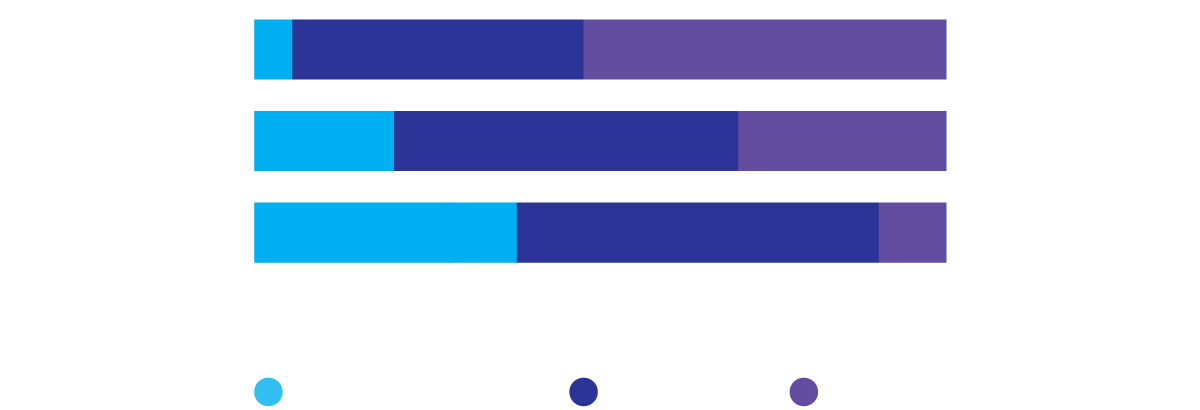
Energy demand in the Industry

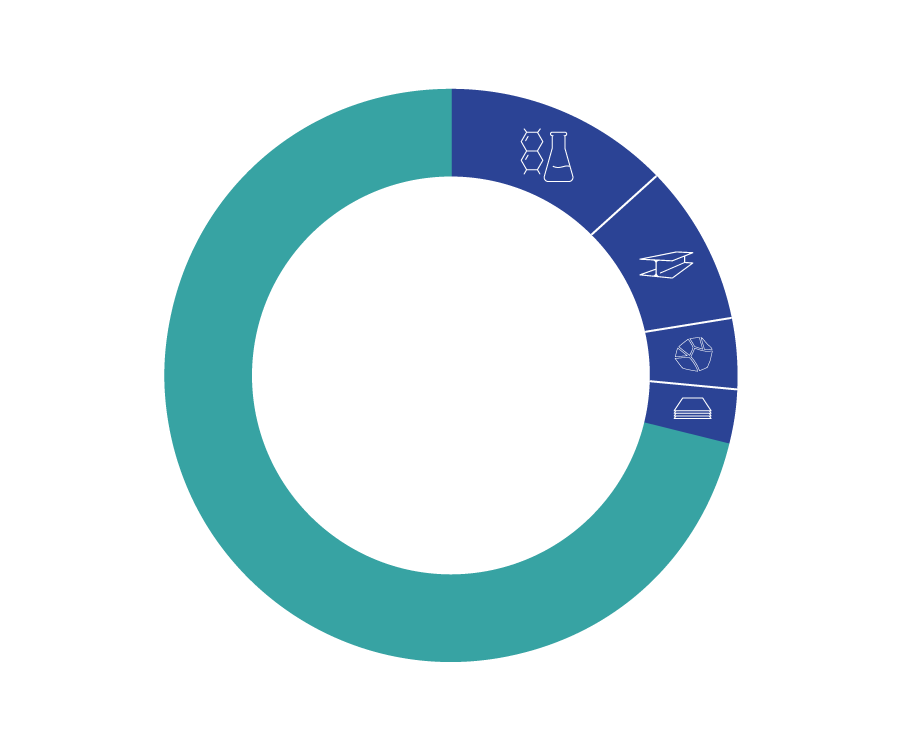
In the industrial sector, the predominant energy consumption is for generating heat or power, particularly for processes such as chemical synthesis, smelting and refining of metals, mineral extraction and processing, and paper product manufacturing.

Energy demand
Non-energy use

"Non-energy use" in IEA scenarios refers to the utilisation of energy commodities, like oil for plastics and lubricants, natural gas for chemicals and fertilisers, and coal for steel production, rather than for generating power & heat.

Energy consumption

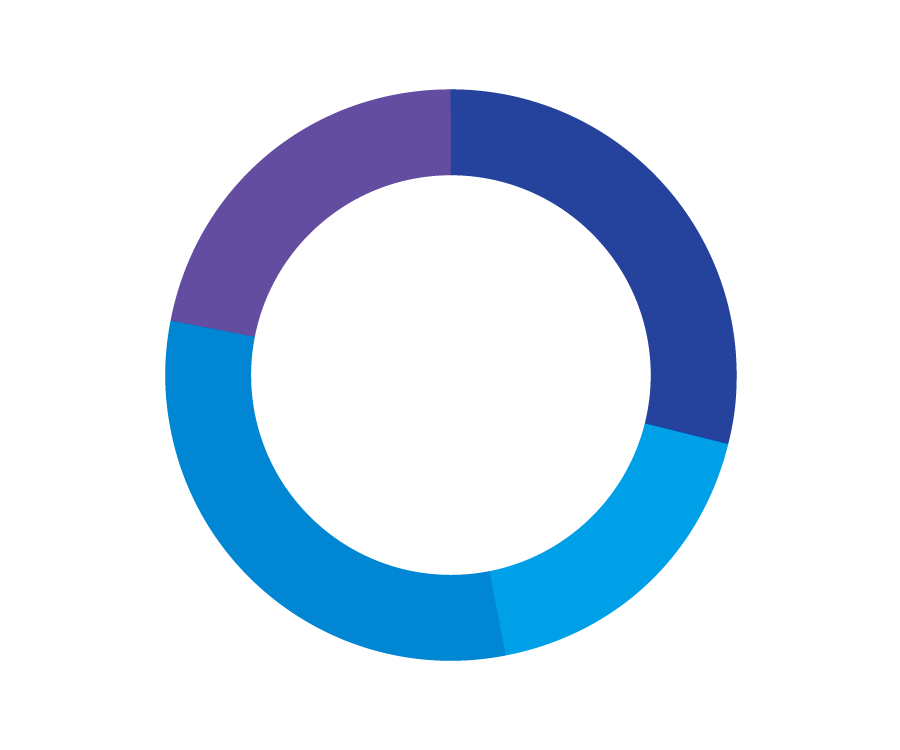
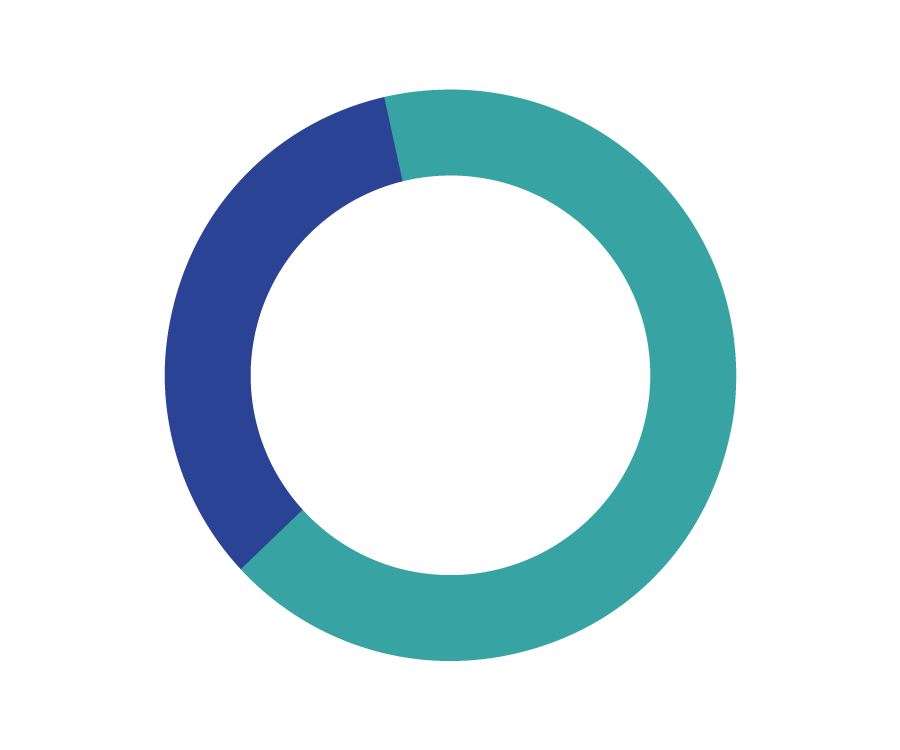
Today Belgium’s economy needs around 466 TWh of primary energy. Electricity, while increasing, accounts for ~85 TWh and is the smallest and easiest segment to address. The crucial challenge of Belgium’s energy transition is to find sustainable solutions to deeply decarbonise our heavy industries and protect them from energy scarcity.

Energy mix

Renewables can provide up to153 TWh (with 18 TWh currently available) of total domestic energy demand in consumption. Thus, additional solutions must be found to decarbonise our economy at asocietally acceptable price, while ensuring energy independence.

We are not winning the race against climate change. Hence, the only no-regret option is to develop simultaneously all available solutions including domestic renewables, imports, energy efficiency and new nuclear.

Vision

How SMRs enable new solutions

While existing nuclear reactors were designed to meet the needs of the 20th century (i.e. the baseload production of electricity), SMRs offer a range of new technology options that bring sensible answers to the crucial questions of the 21st century: flexibility, thermal-based decarbonisation, investment attractiveness, simplicity, inherent safety and spent fuel (“waste”) recycling options.

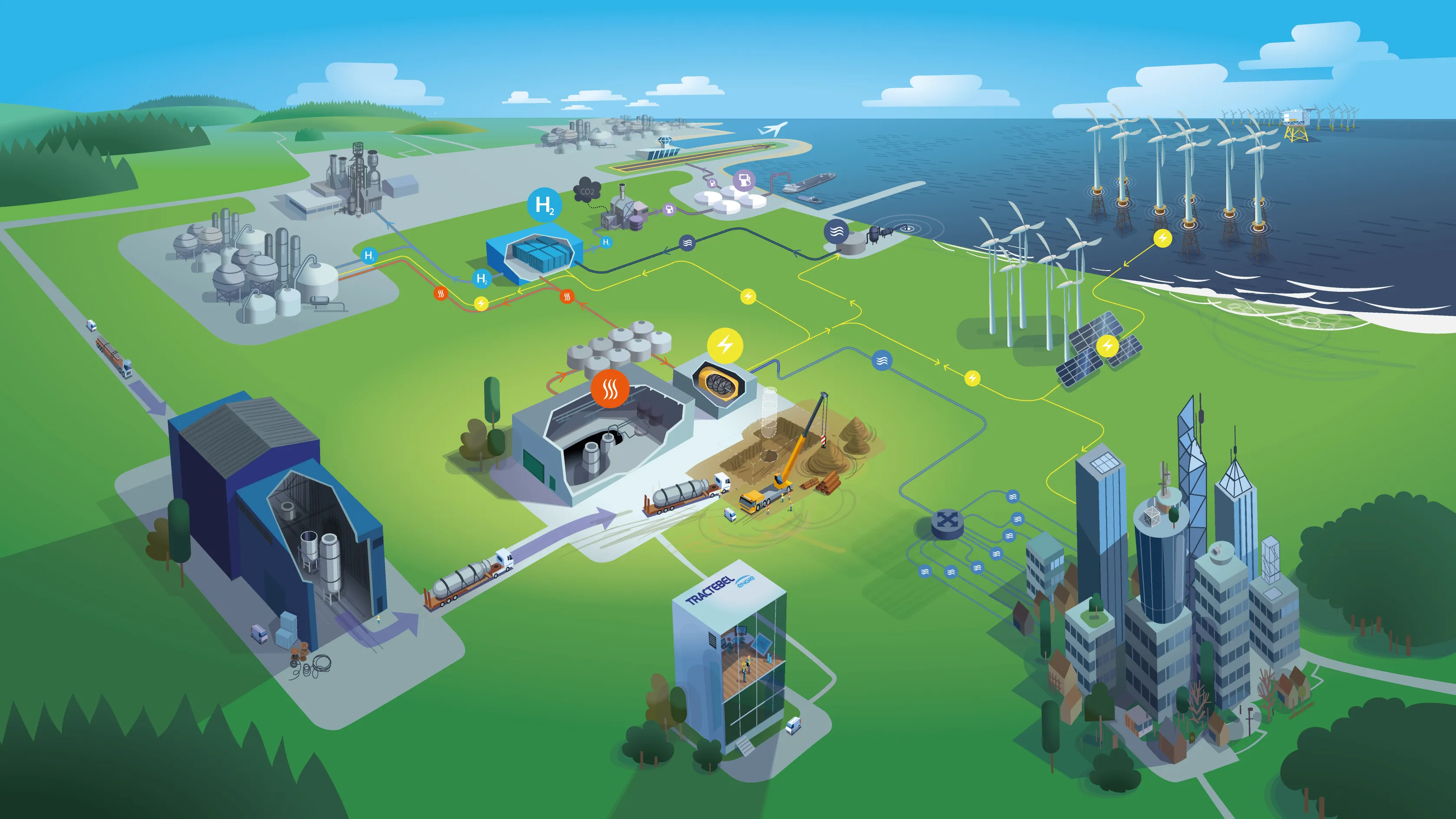
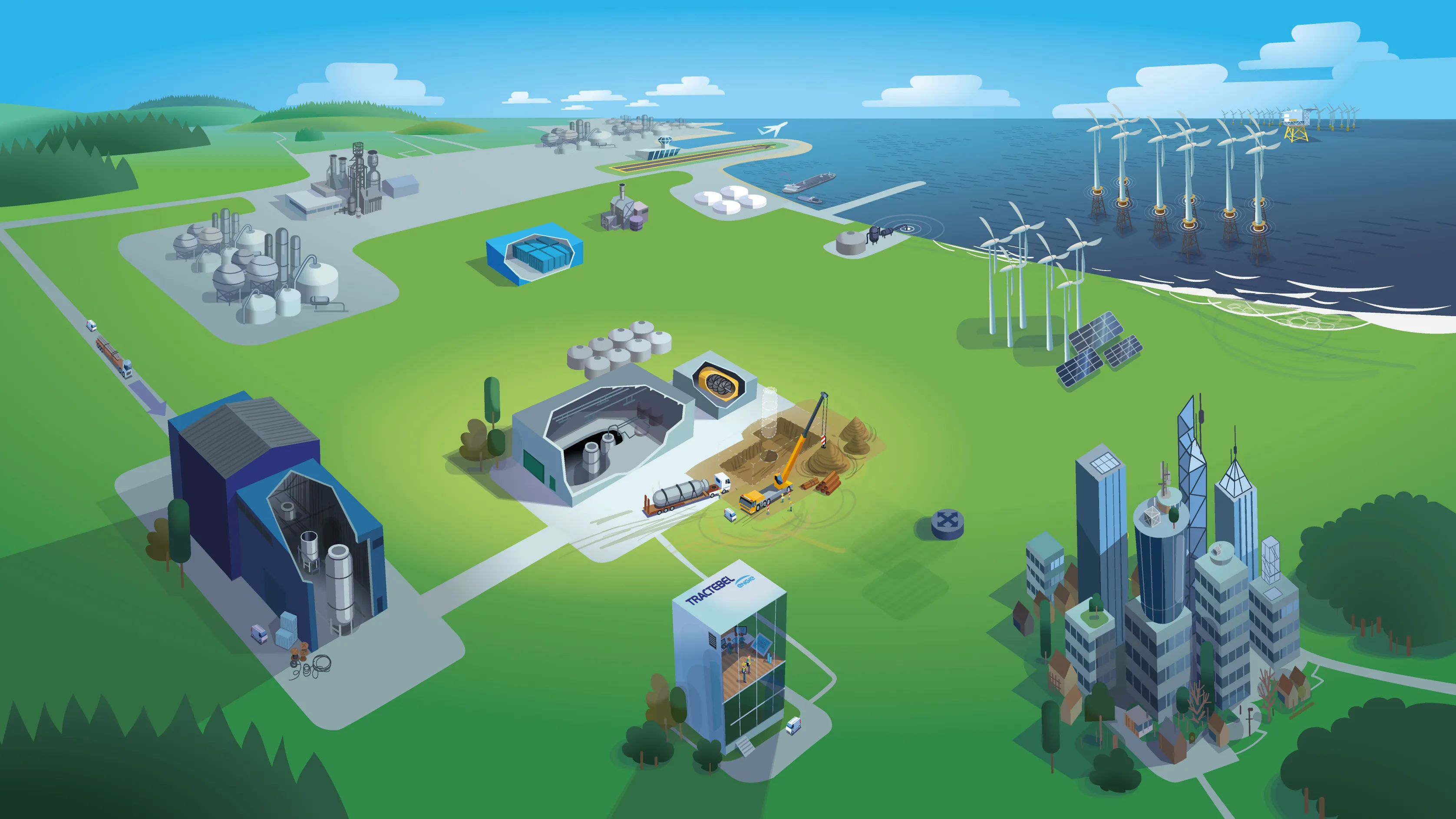
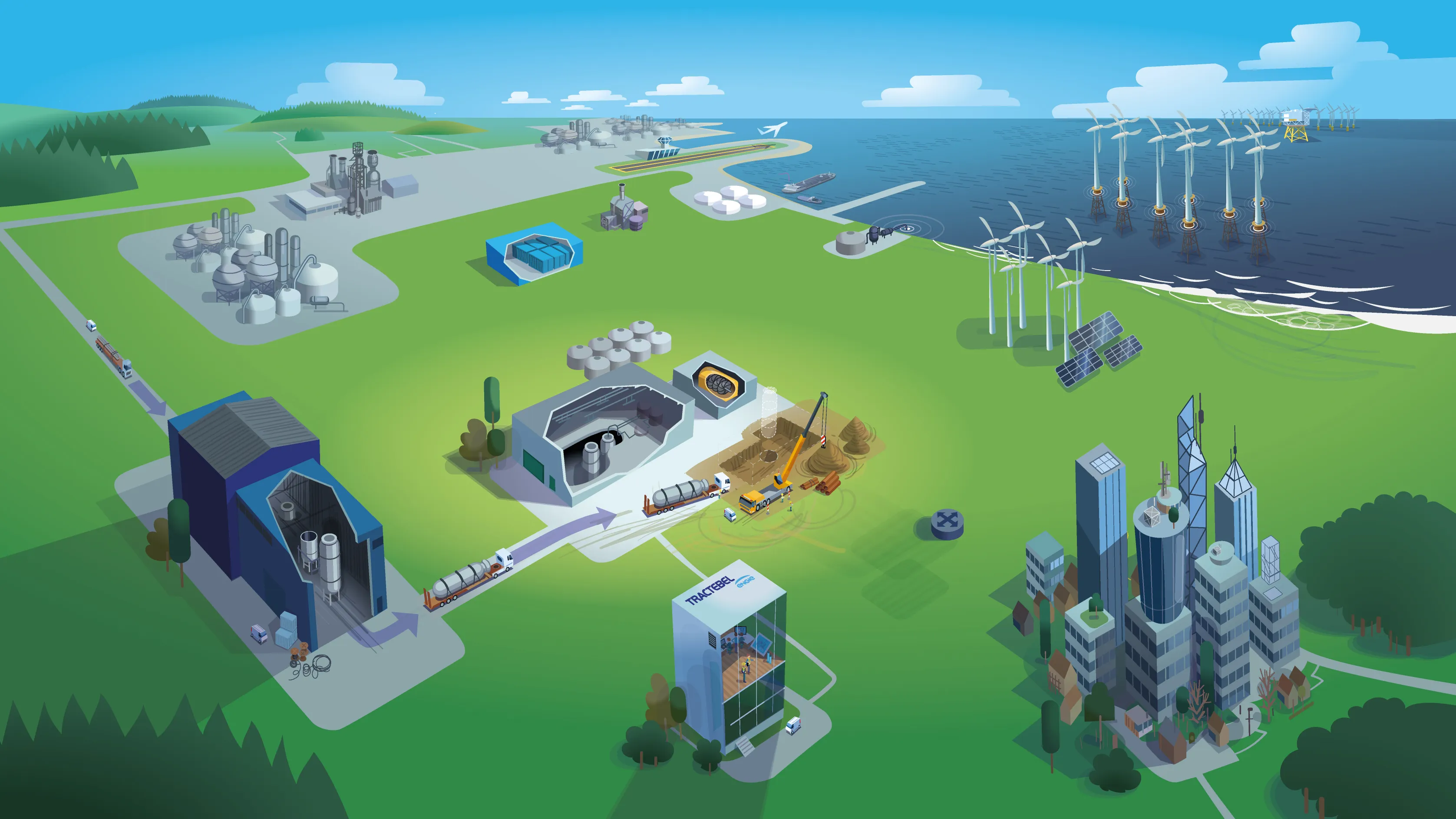
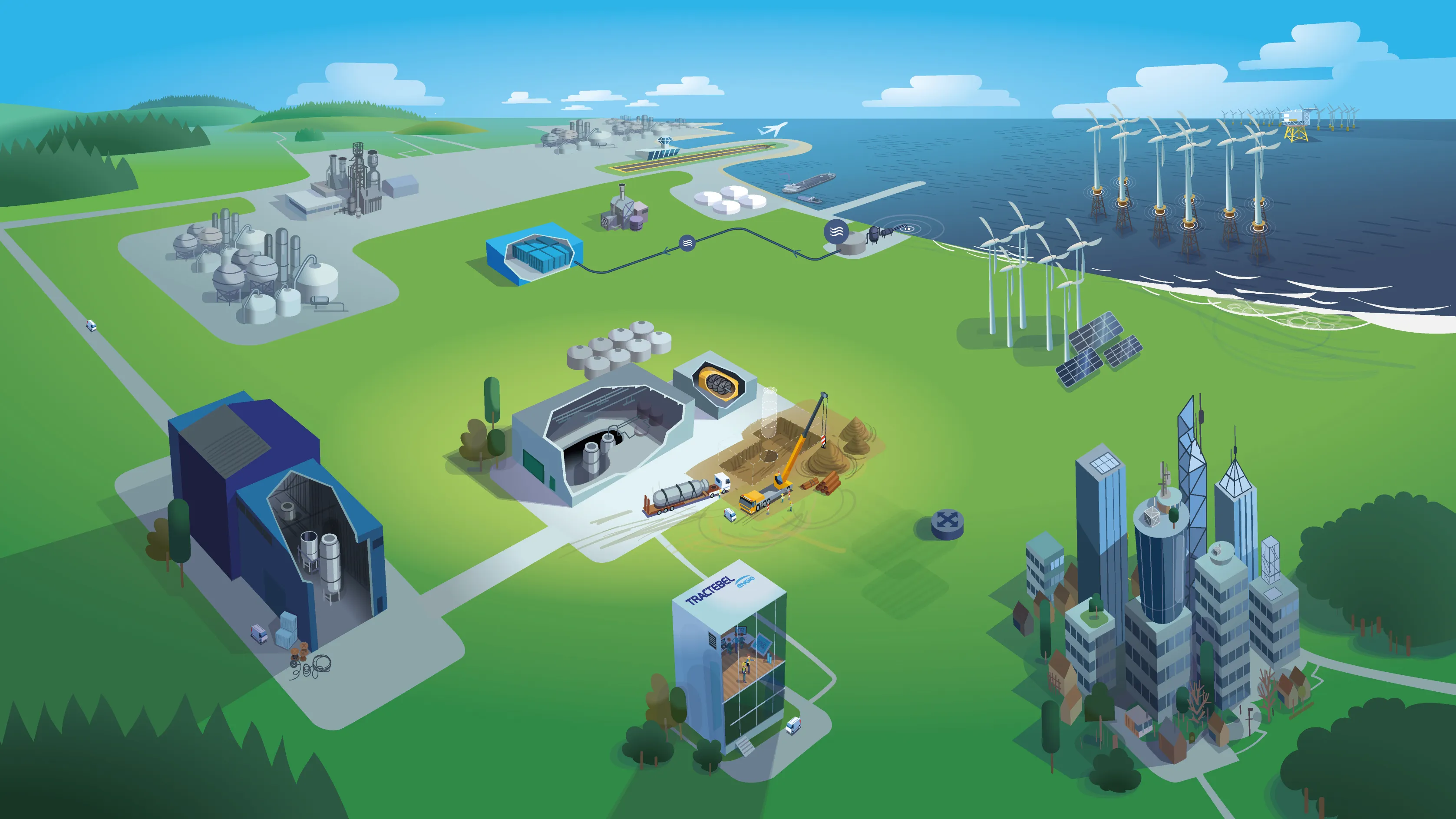
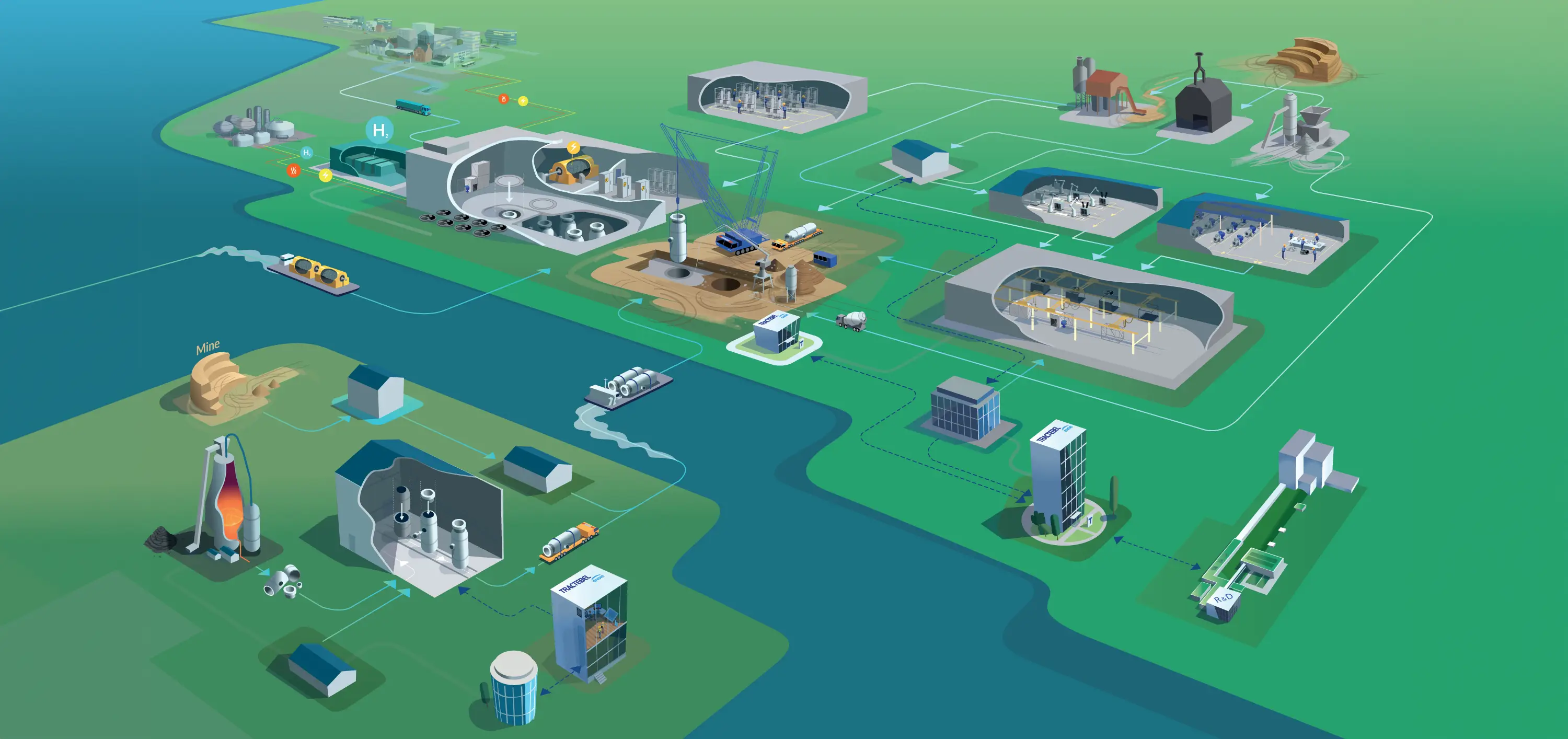
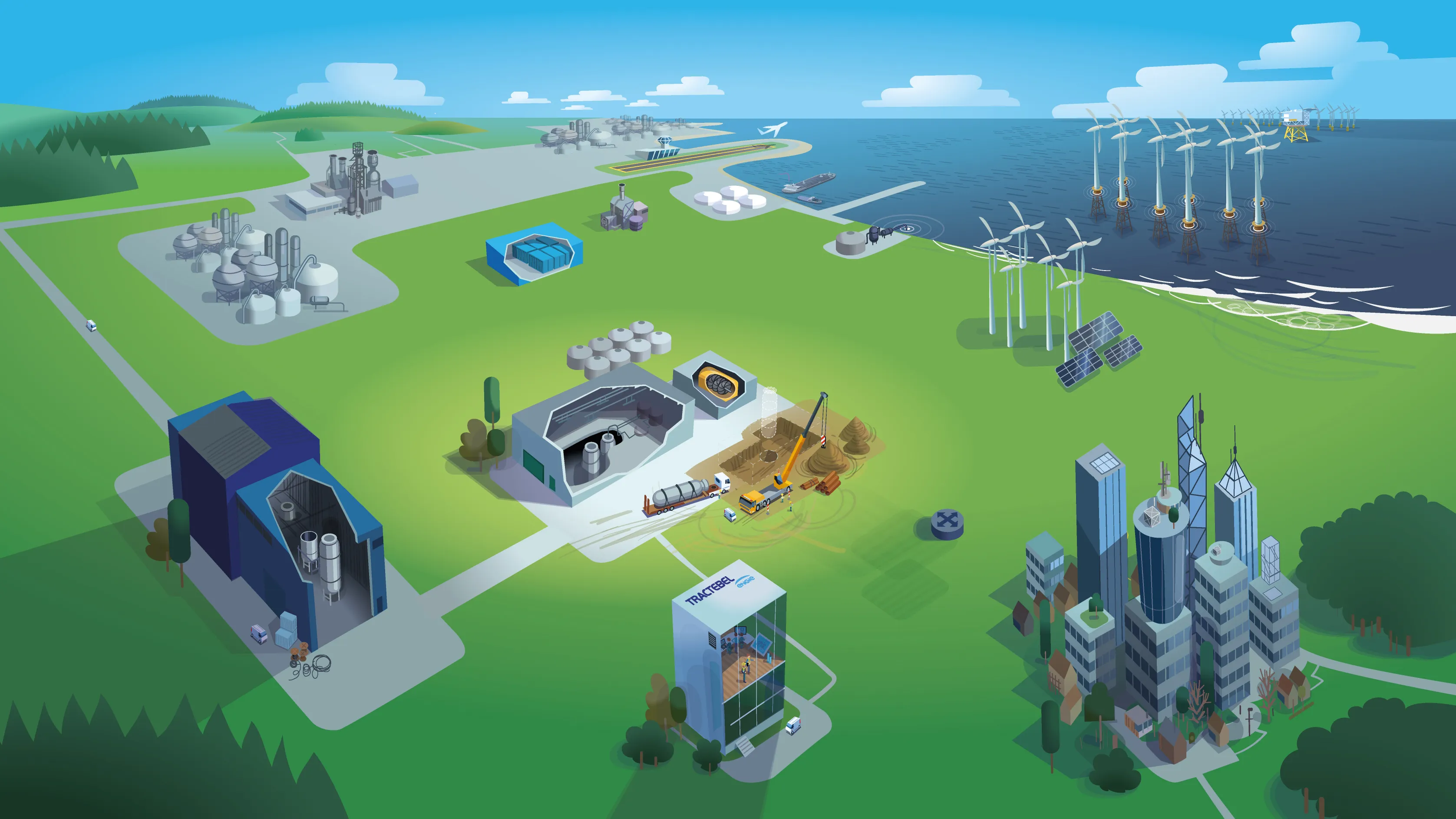
SMRs’ role in tomorrow’s Belgian energy ecosystem

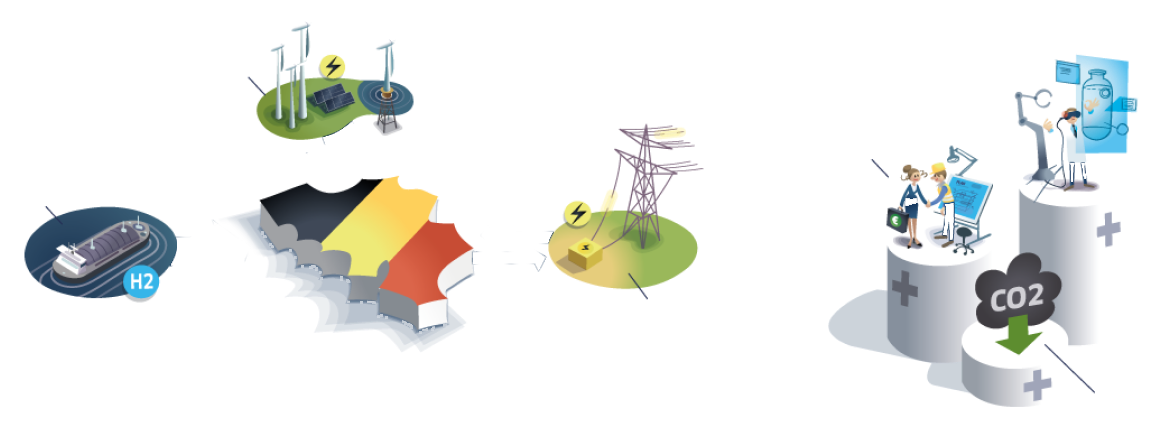
Flux
Module assembly line

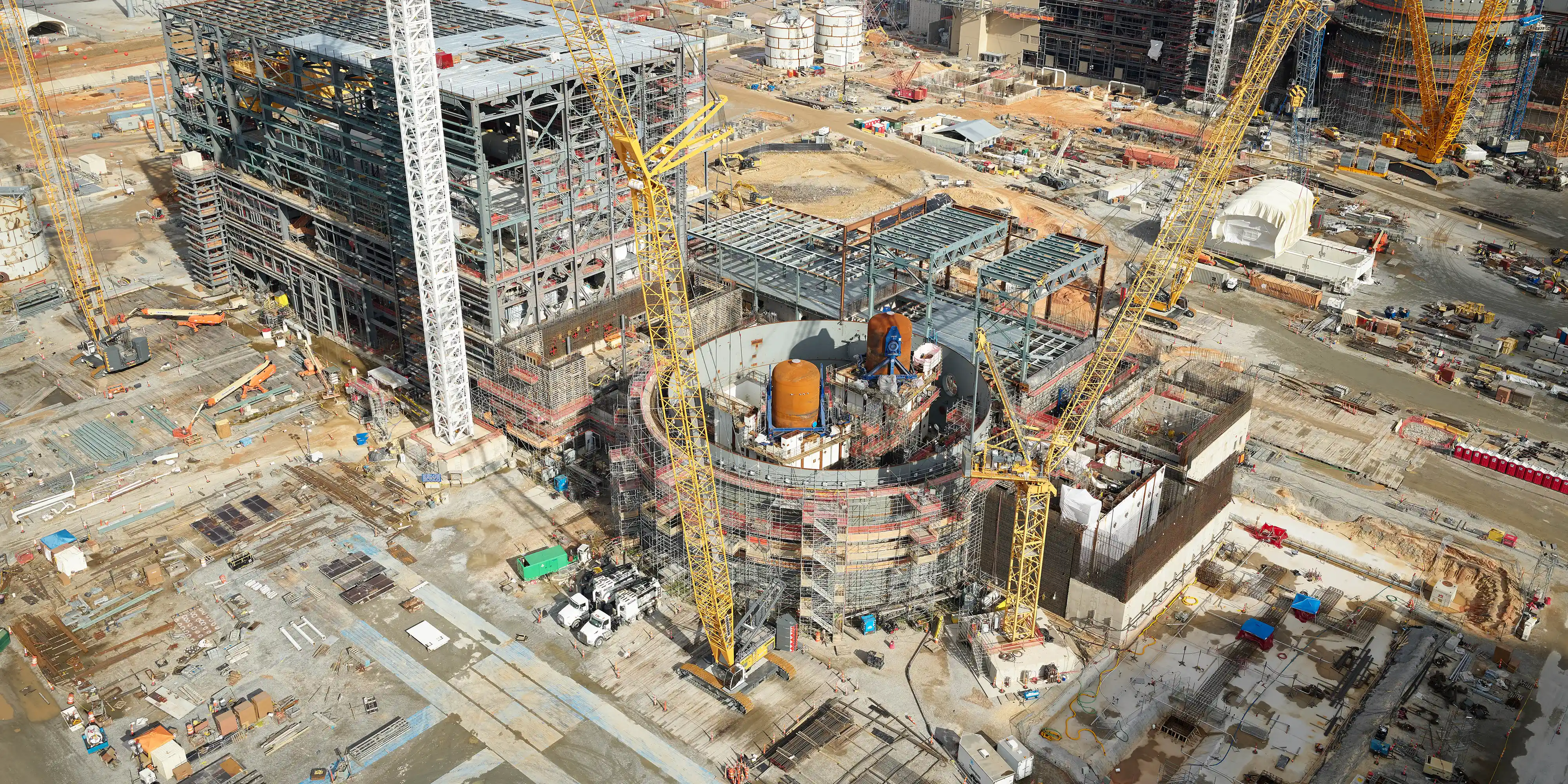
SMRs are Smaller, Simpler and Standardized Modular Reactors. Their components can be built in factories.

Flux
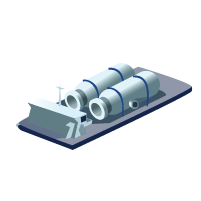
Streamlined delivery

The SMR components are shipped to site locations by truck or rail making them quicker and far less expensive to build than traditional ones.

Flux
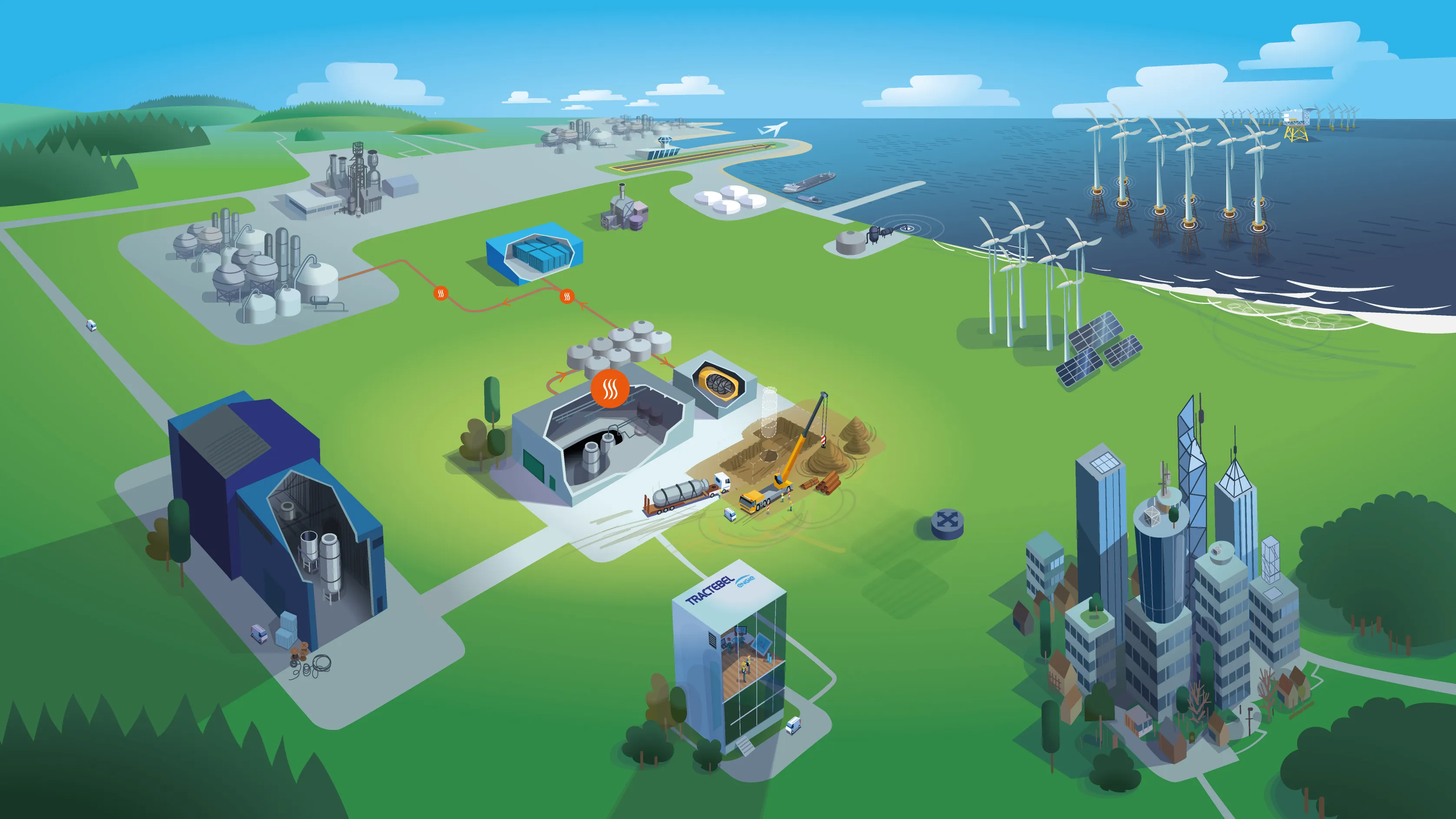
Industrial heat and power

SMRs can provide power or process heat to heavy industries.

Flux
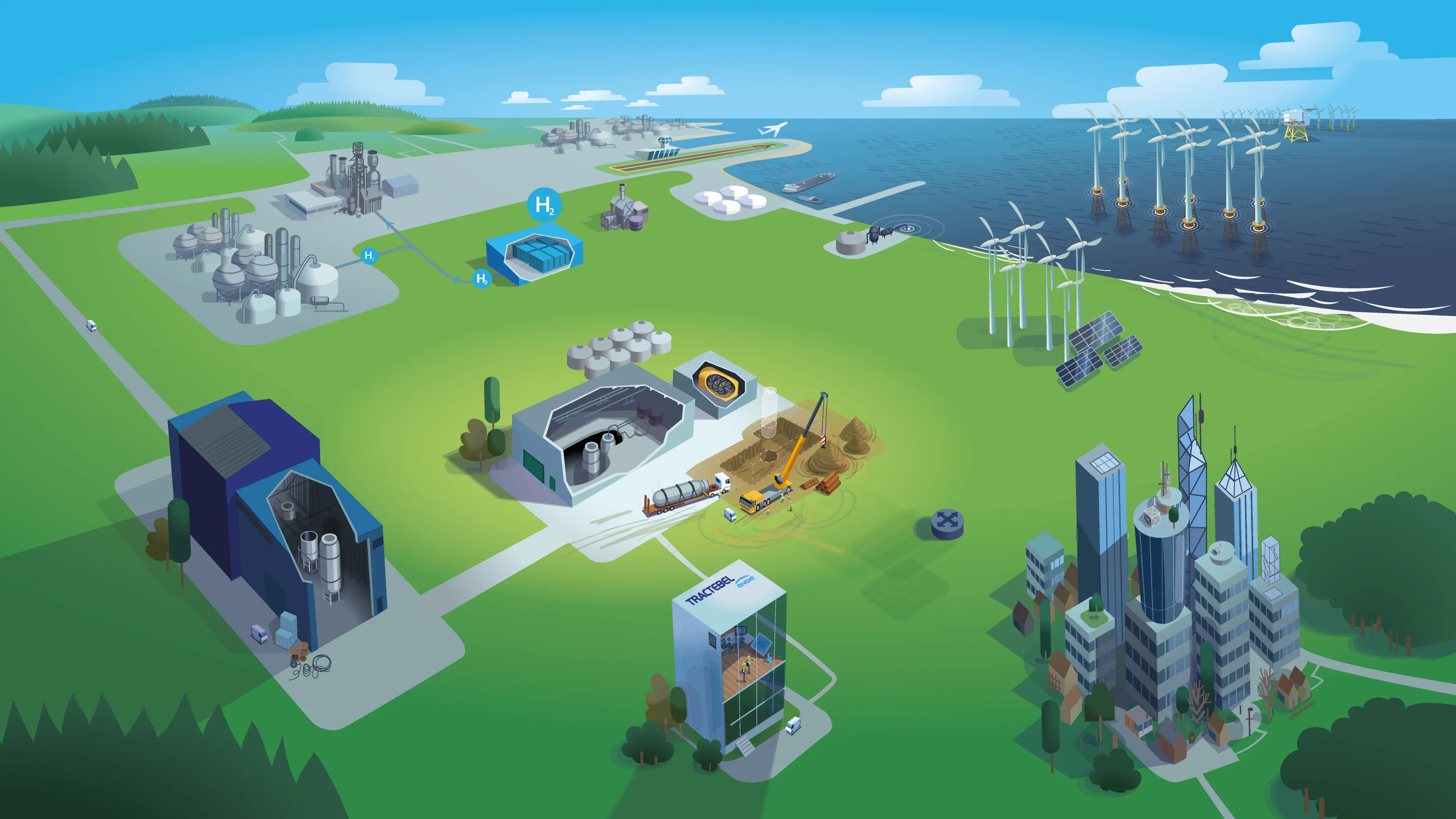
Pink hydrogen

SMRs can produce low-carbon “pink” hydrogen for industry processes.

Flux
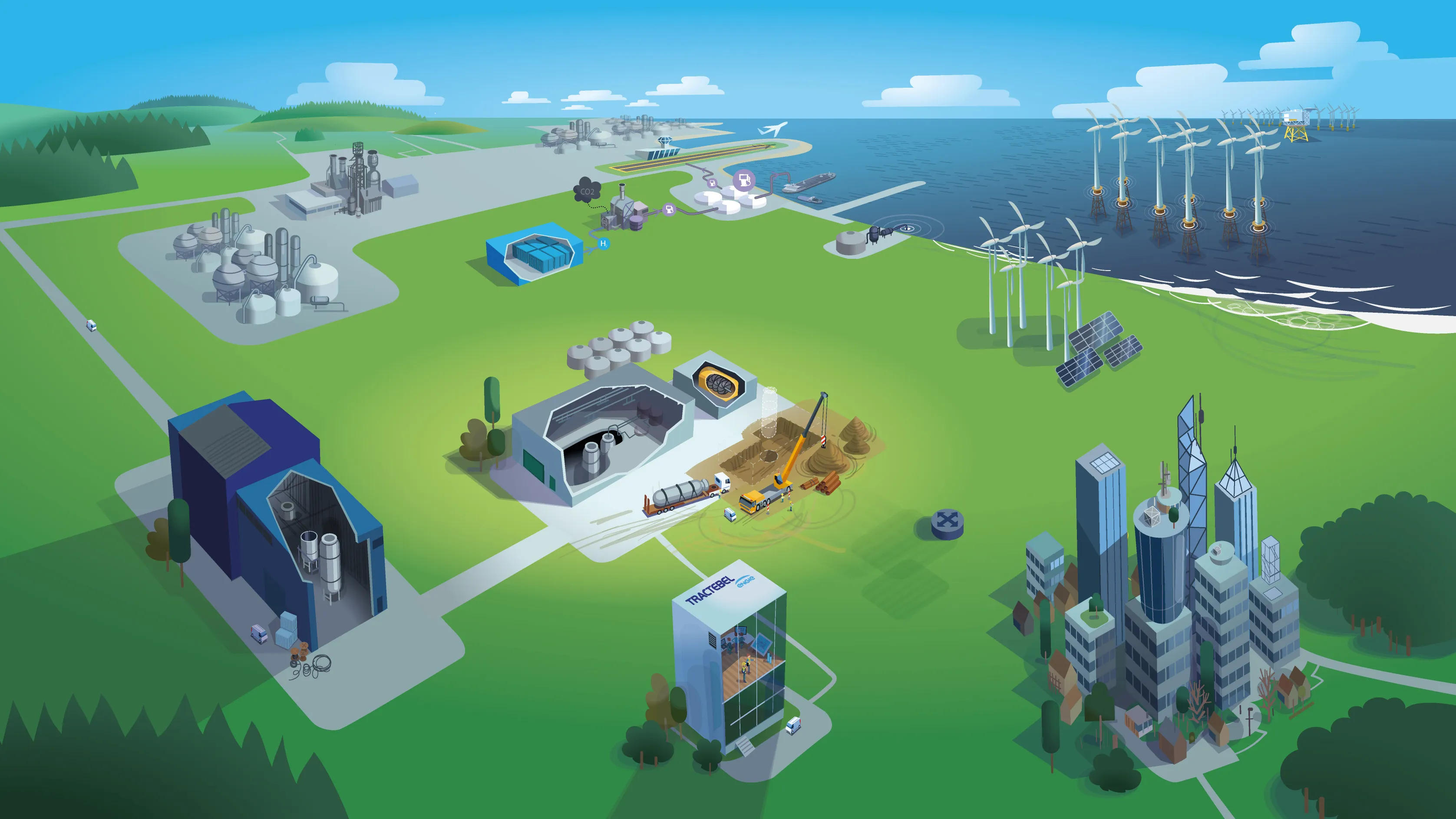
eFuel

SMR-produced “pink” hydrogen can be used to manufacture e-fuels for planes and boats.

Flux
Seawater desalinate

SMRs’ power can be used to desalinate sea water.

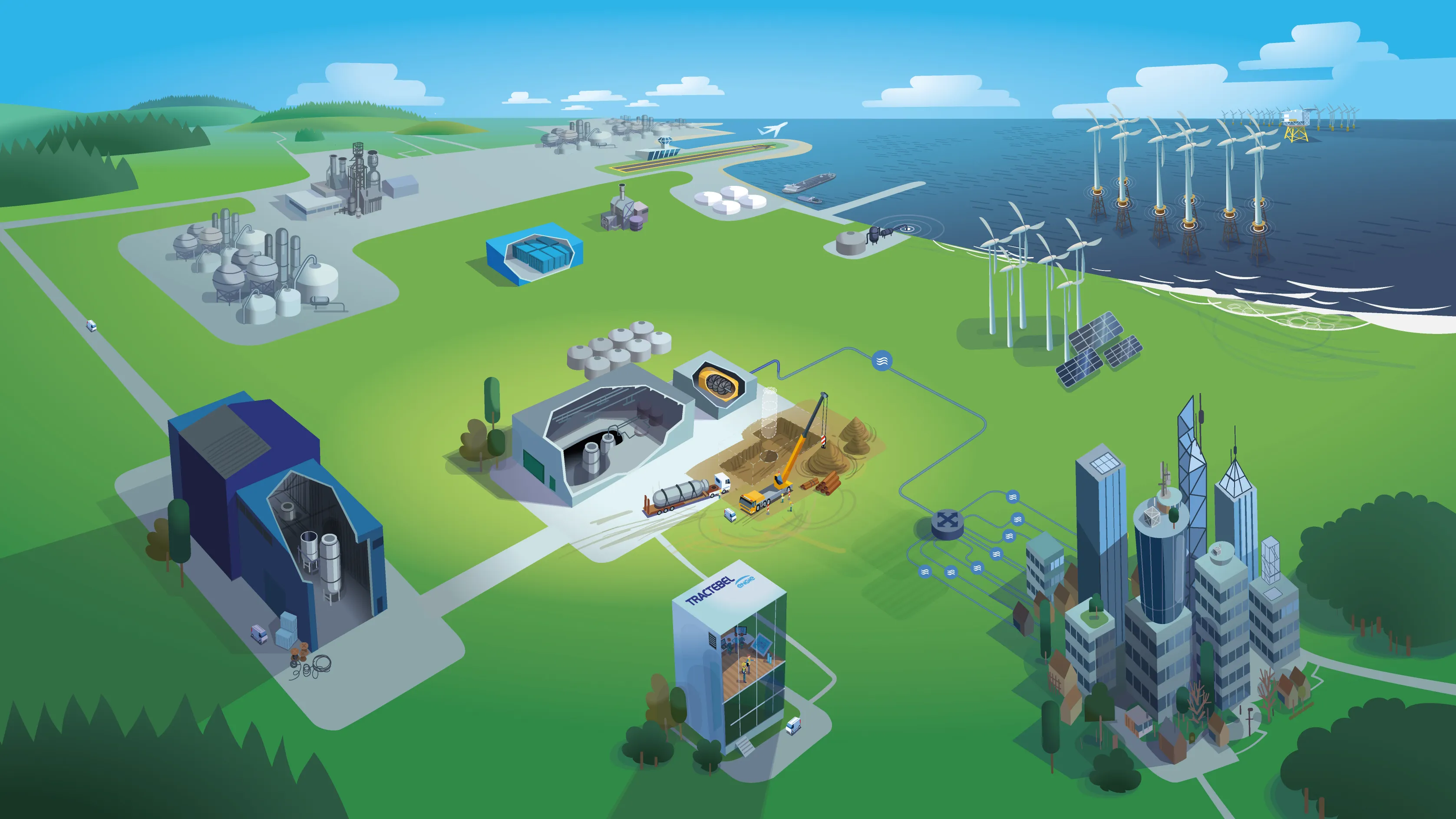
Flux
District heating

SMRs can deliver heat to warm our cities.

Flux
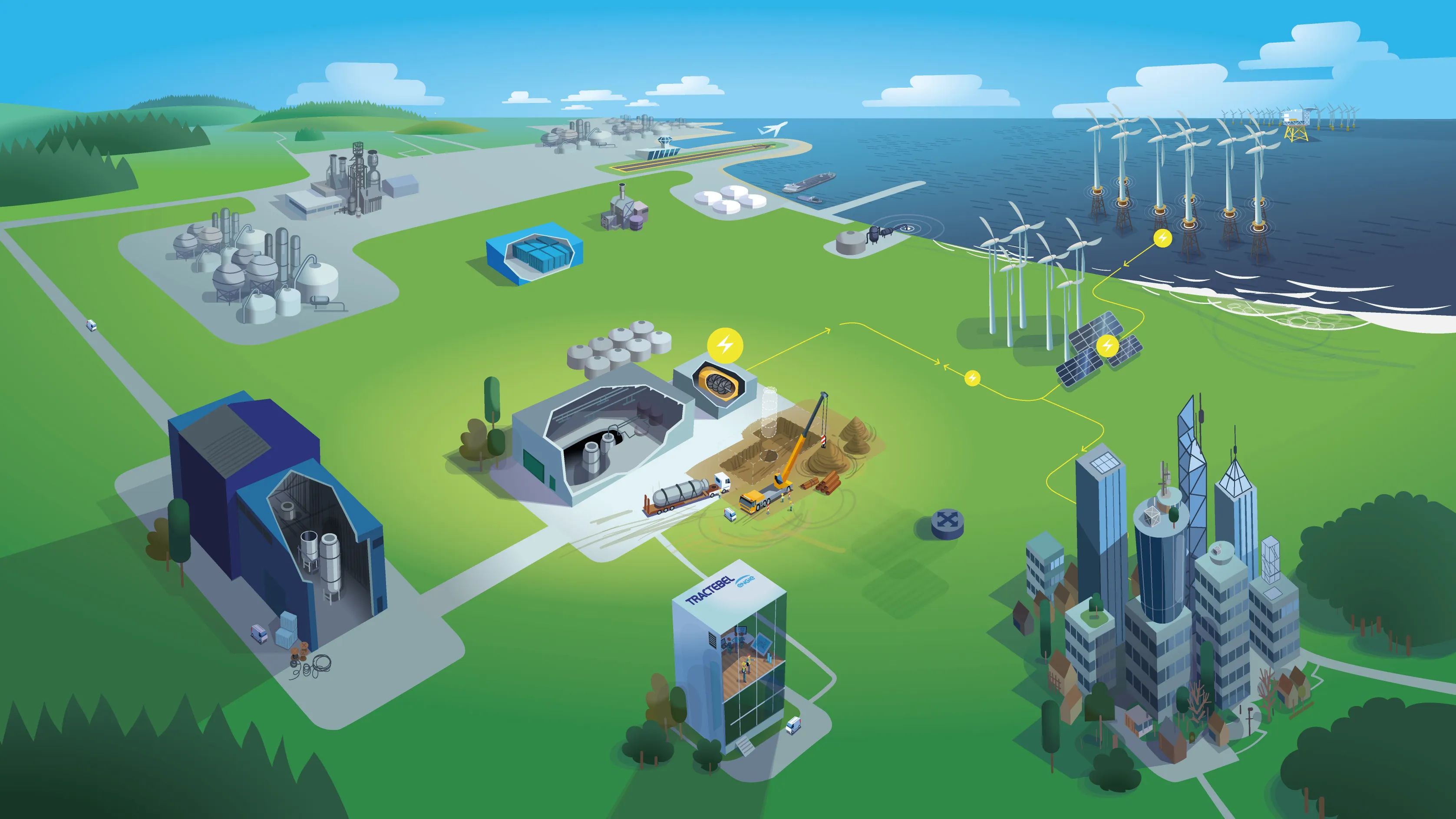
Load balancing

SMRs can complement intermittent renewables when the sun does not shine, or the wind does not blow.

A hybrid and sustainable solution

As no single technology alone can address all the energy transition challenges, an SMR programme should be fully integrated into a combination of technologies and projects that aim to shape a sustainable future.
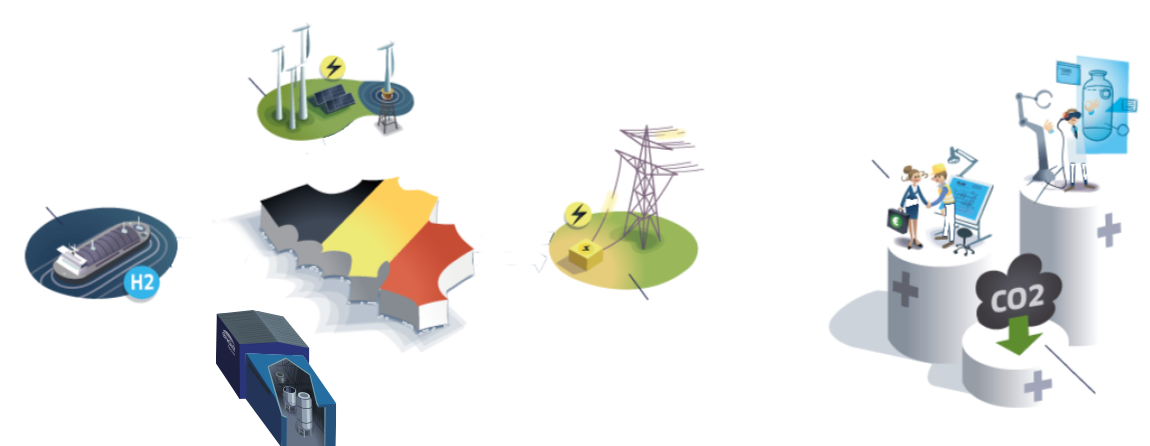
A three-pillar vision

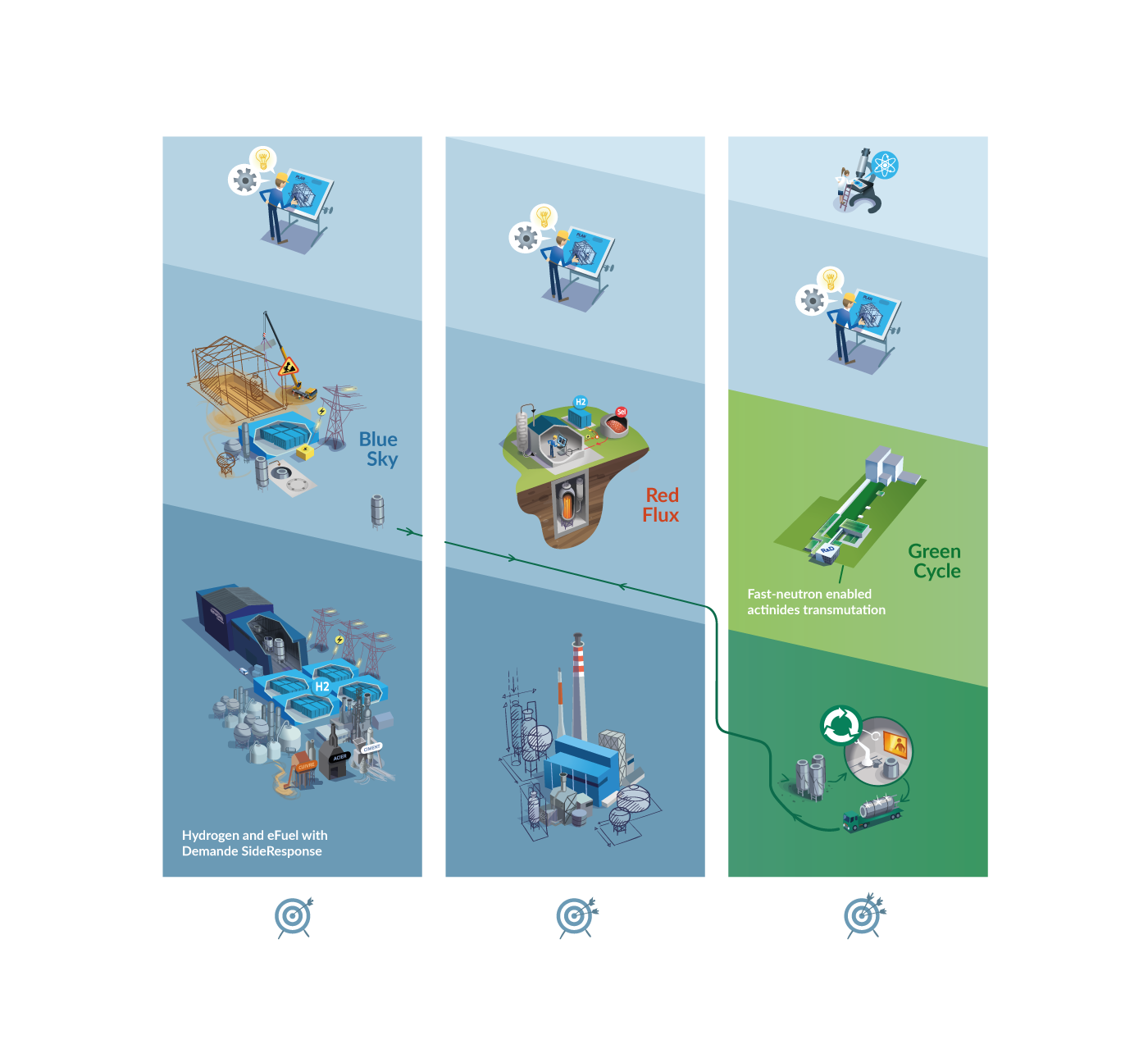
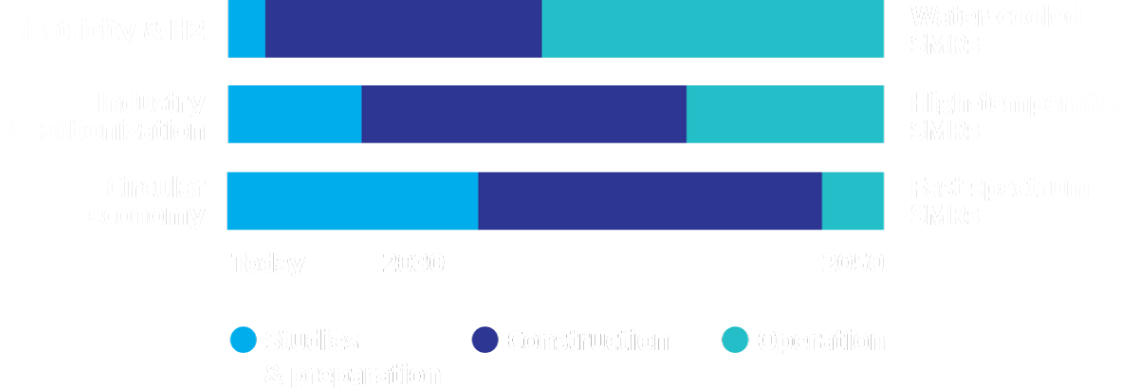
We propose a three-pillars vision: the deployment of current generation SMRs before 2035 for baseload hydrogen production to compensate for renewables’ intermittency and energy scarcity; the installation of next-generation SMRs that produce high-temperature steam to repower heavy industry by 2035 and the development of fast spectrum SMRs at the 2040 horizon, to recycle spent fuel generated by the Belgian nuclear fleet

Pillar 1
Low carbon energy mix

The vision aims at leveraging current generation SMRs (i.e., mature technologies) to fuel the Belgian industry with a reliable source of power and hydrogen while reducing imports and increasing Belgium’s energy sovereignty.

Pillar 2
Industry decarbonization

The vision can leverage a branch of the next-generation SMR technologies that inherently produce high-temperature steam to repower some of the Belgian industrial sites that do not have other alternatives.

Pillar 3
Circular  economy

The vision aims at leveraging next-generation fast-spectrum SMR technologies to optimise fuel utilisation. They will reinforce the commitment to longterm waste solutions by enabling the recycling of current spent fuel stockpiles in a circular economy system.

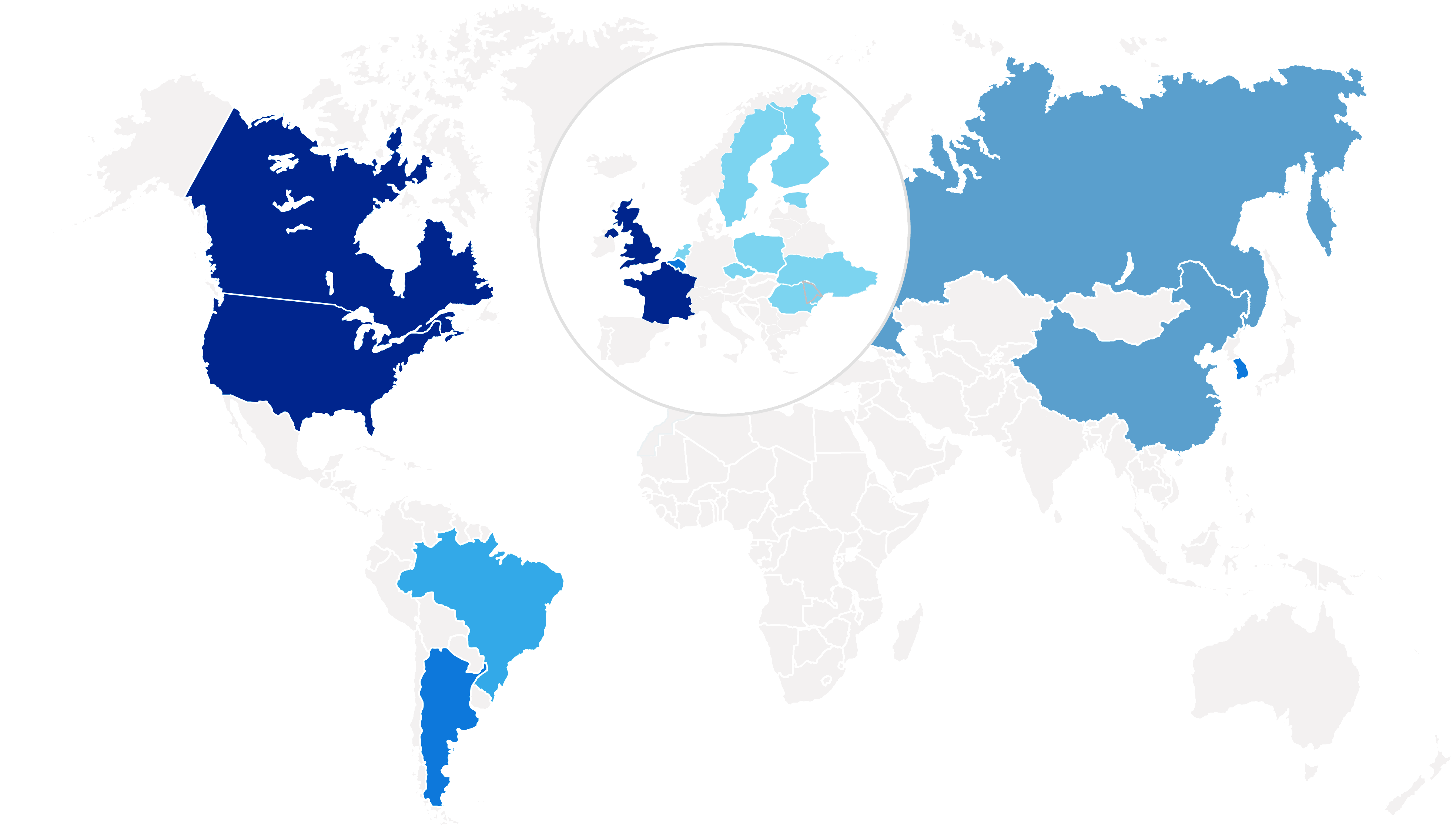
Except for a few exceptions like Germany, most G20 countries have included SMRs on their industrial agenda. The USA and Canada are front-runners in this field among Western countries. The Belgian government has also allocated to research in advanced SMR technologies a budget of 100M. Now there is a need to support industrial project initiatives.

Audit

Why SMRs are a credible option for Belgium

Recent nuclear projects in Europe and the US have shown that a weakened supply chain (in talents, infrastructures and culture) will erase the benefit of any technological advancement. Yet the industry has shown its willingness to retool when provided with large projects: this was last witnessed during Belgium’s nuclear fleet lifetime extension programmes.

SMRs are becoming a reality

Significant efforts have been invested to assimilate lessons learned from the recent new nuclear projects. Their delays and cost overruns were the price of rebuilding industrial know-how after a long hiatus.

Flagship projects under development worldwide

Government Planned Investment in SMR
Unknown
< € 100 million
> € 100 million
> € 1billion
Non-OECD
Project
Canada

BWR-X 300 (Hitachi)
Pilot unit: 2028
Boiling Water Reactor

USNC
Pilot unit: 2027
High-Temperature Gas Reactor

Project
United States of America

Nuscale
Pilot unit: 2028 - 2029
Pressurised Water Reactor

Xenergy
Pilot unit: 2028 – 2032
High-Temperature Gas Reactor

Project
Europe - United Kingdom

UK SMR (Rolls Royce)
Pilot unit: ~2030
Pressurised Water Reactor

Project
Europe - France

Nuward (EDF Group)
Pilot unit: before 2035
Pressurised Water Reactor

Project
Eastern Europe

Poland

ORLEN Synthos (BWRX-300)
First unit: 2035
Boiling Water Reactor

KGHM (Nuscale)
First unit: 2029
Pressurized Water Reactor

Czech Republic

CEZ (BWRX-300)
First unit: 2034
Boiling Water Reactor

Romania

Nuclearelectrica (NuScale)
First unit: 2030
Pressurized Water Reactor

Project
Russia

KLT-40s (Rosatom)
Pilot unit: 2020 (in operation)
Pressurised Water Reactor

Project
China

HTR-PM (Tsinghua University)
Pilot unit: 2021 (in operation)
High T° Gas-cooled Reactor

After a thorough analysis, it appears that SMRs have clear inherent advantages. However, the loss of nuclear capabilities in Belgium would erase all the benefits associated with these technologies.

Legacy

How SMRs can help restore Belgium’s global industry leadership

Built upon half a century of experience, Belgium enjoys the luxury of world-class expertise and industrial know-how spread among >10,000 highly qualified workers. Providing continuity, up to 70% of an SMR programme started soon could be sourced in Belgium. Otherwise, Belgium’s supply chain would decline rapidly, as it has already started.


Gaps in our supply chain must be addressed through strategic international partnerships, weaknesses can be compensated with planned industrial investments and critical skills should be maintained with tailored development programmes.

What are the current capabilities and future
opportunities for the Belgian nuclear supply chain?

Supply
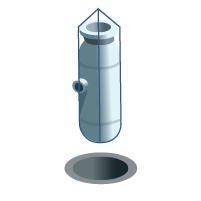
NSSS

Belgium is not, today, a Tier 1 supplier (i.e. a supplier of nuclear vessels). Yet, the SCK-CEN has developed meaningful design capabilities for Next Gen reactors with Atelier de la Meuse capabilities.

Supply
Site preparation

Van den Berghe, Pêche, Sclaynois and Aertssen are active in earthworks; Franki Construct in deep foundations. Caterpillar used to provide equipment.

Supply
Steam turbine

While Tractebel can manage procurement, Belgium has no domestic turbine capabilities. Suppliers from border countries are Alstom in France & Siemens in Germany

Supply
I&C

Cegelec, Apilec and Equans are able to design and assemble electric cabinets. Components are sourced from abroad.

Supply
Site logistics

Sarens is a Belgian international company specialised in heavy lifting, engineered transport and crane rental service. TCS is a contractor of overhead and portal cranes, steel constructions and industrial turnkey projects.

Supply
Nuclear steam supply system

Belgium is not, today, a Tier 1 supplier (i.e. a supplier of nuclear vessels). Yet, the SCK-CEN has developed meaningful design capabilities for Next Gen reactors with Atelier de la Meuse capabilities.

Supply
Research

SCK-CEN is getting ready to build the world’s most advanced research reactor through the MYRRHA project.

Supply
Fuel

Tractebel has always managed the fuel supply of the Belgian fleet & SCK-CEN is designing MYRRHA’s fuel. Belgonucléaire was closed on non-technical grounds.

Supply
Piping and cabling

John Cockerill, Lepage, Lumet, Ivens and Ellimetal can produce pipes. Flowell and S.C.S.I. Haquenne supply the raw materials for piping, while Spie, Equans, Stork and Boccard install them. Cablerie Charleroi has closed, Cablerie Eupen still produces nuclear grade electric cables.

Supply
Large electrical component

Nidec, Equans and Cegelec still operate while Schneider, ABB, Pauwels, ACEC/GE/Alstom have closed their Belgian plants. Components are sourced from abroad.

Supply
Pumps and valves

Atlas Copco, MRC Global, Sulzer and Icarus have capabilities and extensive experience in pump & valve design and manufacture. Flowell and S.C.S.I. Haquenne supply the raw materials for pumps and valves. Flowserve, Westinghouse and Xylem have workshops in Belgium for pump maintenance.

Supply
Cooling systems

SPG Dry Cooling, Ivens and Verwater can produce cooling systems, regardless of size and technology. Hamon has closed.

Belgium has always been a pioneer in nuclear energy, thanks to SCK-CEN and Tractebel's expertise. The MYRRHA project has created a lead-cooled reactor technology platform. It has enabled us to develop a unique know-how to build the world’s most advanced research reactor.

Blueprint

How to make it happen

Nuclear projects may seem too complex to deliver. However, clear communication among stakeholders and well-planned project stages can make these projects more approachable and manageable.

Credible timeline for SMRs in Belgium

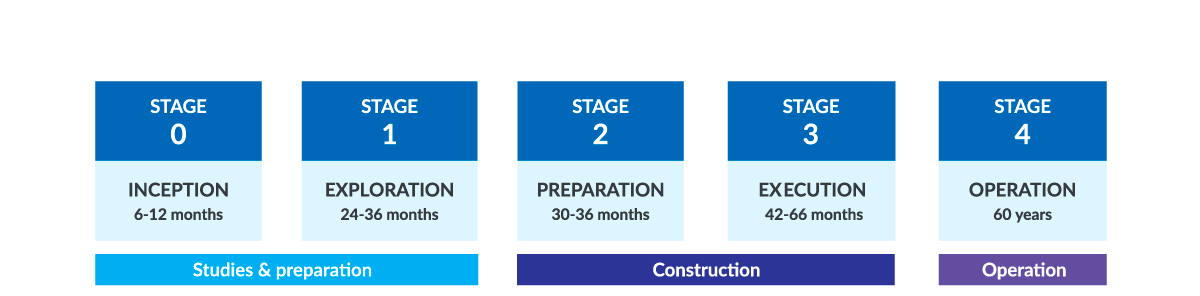
With a scientific task force established in 2023 and providing political and industrial leadership, site preparation activities could start as soon as 2025 for the Blue-Sky project with a credible commissioning date of the first unit in 2032.

Timeline
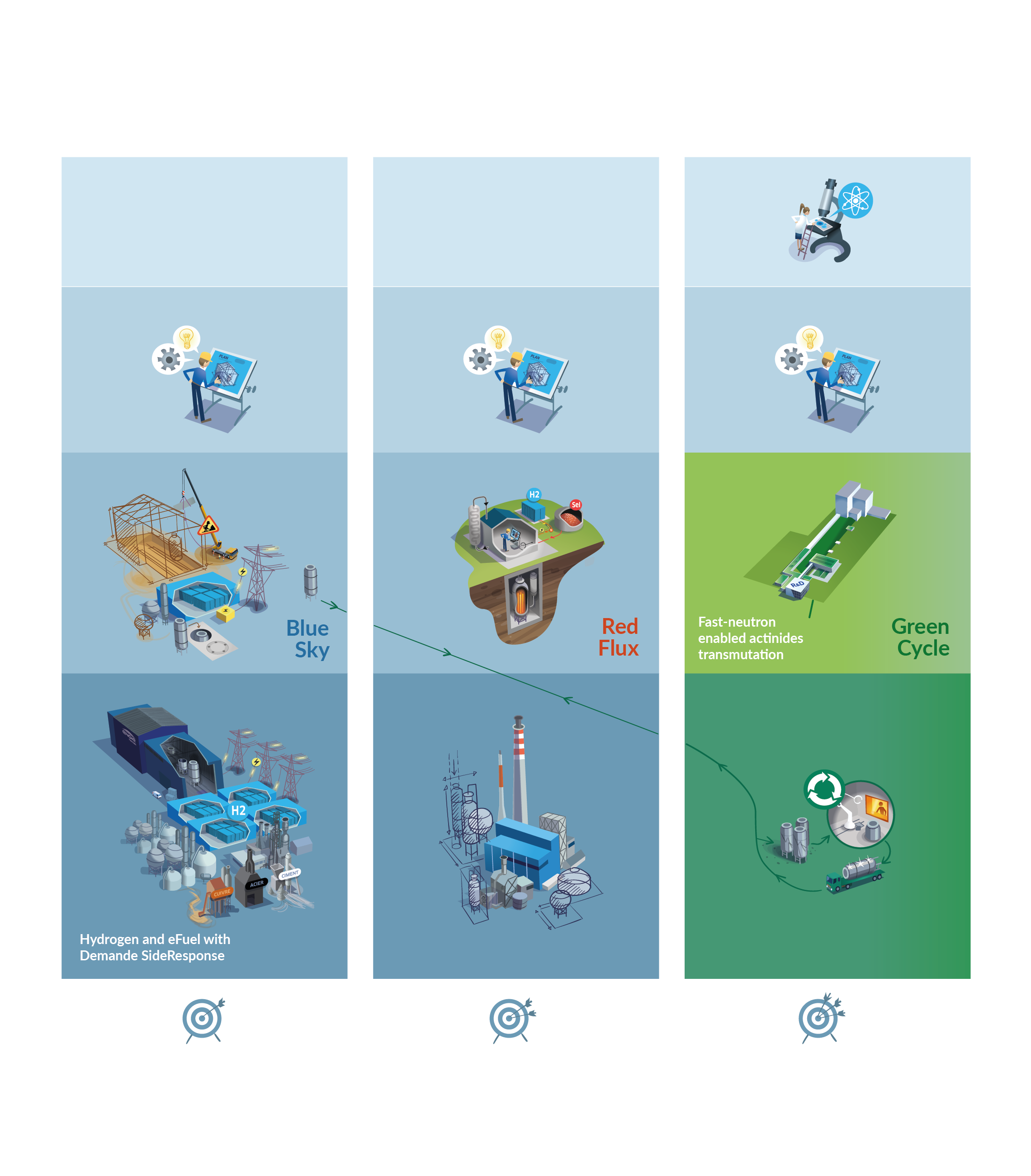
Blue Sky

The pilot project Blue Sky would set up an integrated industrial alliance to build a GigaFactory producing abundant, reliable and dispatchable hydrogen for industry partners.

Timeline
Red Flux

The pilot project Red Flux would consist of developing a dedicated industrial laboratory with a high-temperature SMR as a test bench for industrials willing to prototype and validate their transformation processes using the heat from the demonstration reactor.

Timeline
Green Cycle

The demonstration project Green Field would consist of building industrial infrastructures to reprocess the spent nuclear fuel inventory stored over the years and turn it into new fuel for a fast spectrum.

What are the conditions to proceed accros the project phases?

The Belgian government should seek to maximise the options for Belgium by building trust with all stakeholders involved in the SMR programme. “No regret” actions to be implemented without delay would be to initiate a transparent public dialogue, establish a sound enabling regulatory framework, enhance the research infrastructure and set-up partnerships around pilot projects, between private actors with the fostering of the public sector.

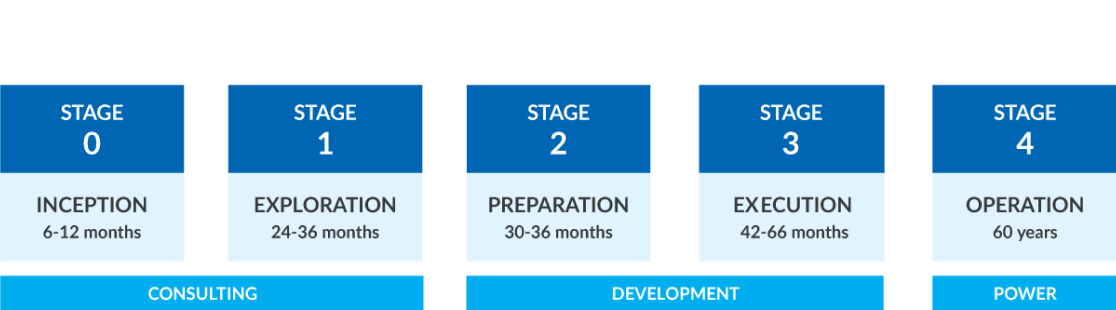
Stage 0
Inception

The inception phase aims at defining the project goals and mapping most of the credible options at hand. The decision gate consists of a stakeholder agreement that confirms the willingness of the key stakeholders to further assess the opportunities identified in the high-level inception studies.

Stage 1
Exploration

In the exploration phase, is to assess the feasibility of the identified opportunities is assessed in order to take an informed decision among the short-listed options. The decision gate is a preliminary investment decision that confirms the alignment of partners on an actual project plan whose main uncertainties have been mitigated through the pre-feasibility studies.

Stage 2
Preparation

The demonstration project Green Field would consist of building industrial infrastructures to reprocess the spent nuclear fuel inventory stored over the years and turn it into new fuel for a fast spectrum.

Stage 3
Execution

The execution aims at delivering the project according to plan and budget. All commitments made towards investors and regulatory authorities are to be fulfilled. Organisational development, operator staffing, and training should be conducted to meet the level of competence required for the operating license.

We should also push for further international cooperation to maximize the benefits for all the stakeholders involved. This includes encouraging regulators from different countries to work together and industrials to jointly carry out research and development.

Conclusion

Take away messages

Belgium can use its local nuclear expertise, industrial know-how and competent supply chain to make this happen. To keep this path open, our nuclear industry needs to be given the opportunity to keep its skills and capabilities strong over time.

To shape its energy future, Belgium must adopt an ambitiousgoal and leverage its nuclear heritage. We are confident that the technologydevelopers and industrial end-users are ready to support this endeavour.

Let’s seize this moment to ensure that Belgium has a bright, sustainable energy future.

Access the full report and discover more about the potential of Small Modular Reactors in Belgium